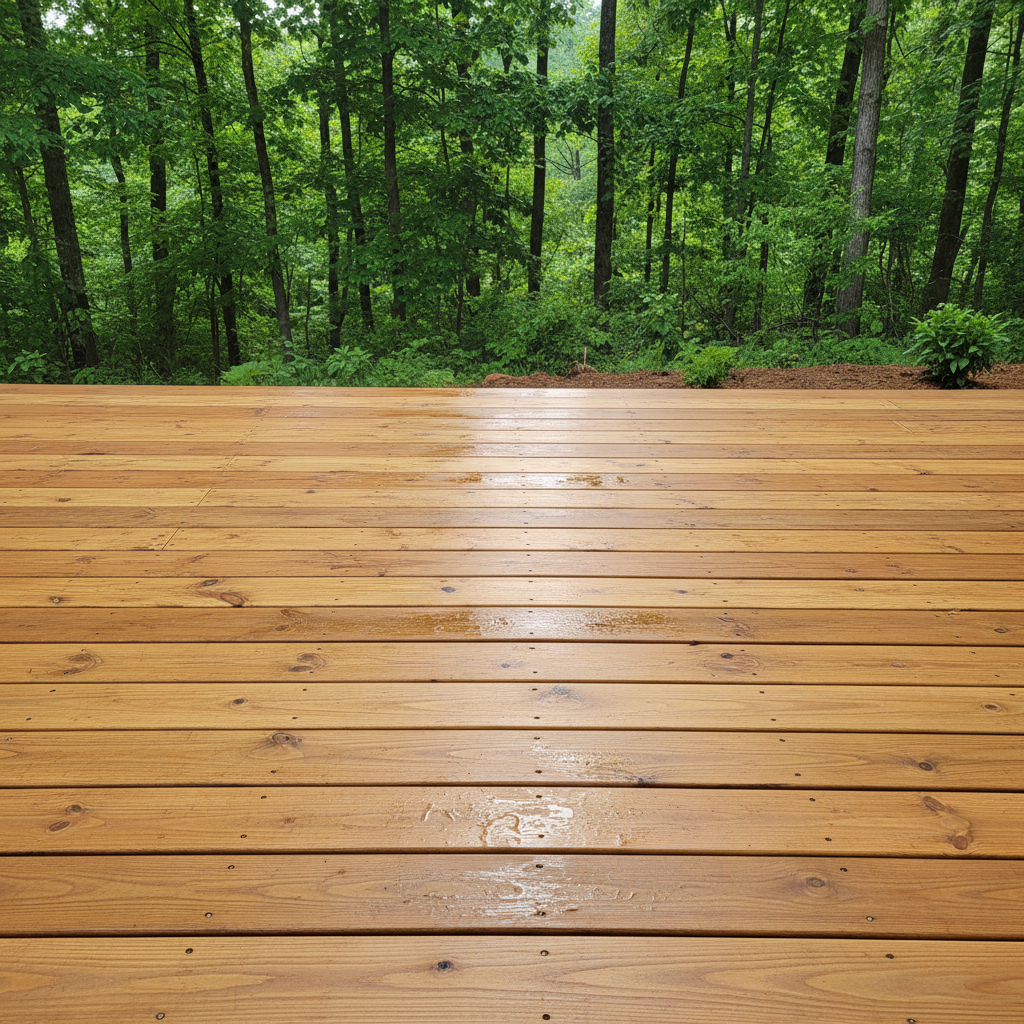
Alright, let's talk decks. I've been building and fixing wooden decks around Norris for years, and I hear a lot of the same questions popping up. Folks want to know what's what, and honestly, there's a lot of confusing info out there. So, I figured I'd put together some straight answers to the most common stuff I get asked. No fluff, just what I've seen work and what doesn't. After all, isn't that what you really want?
What's the best wood for a deck around here?
This is probably the number one question. For wooden decks, you've generally got two main camps: pressure-treated pine and cedar. Most folks go with pressure-treated pine, and for good reason. It's affordable, widely available, and it's treated to resist rot and insects — a big deal with our humidity and the bugs we get around Norris Lake. It's a solid, practical choice that'll last you a long time if you take care of it.
Then there's cedar. Cedar's beautiful, no doubt about it. It naturally resists rot and insects because of its oils, and it smells great. Plus, it's lighter and tends to stay a bit cooler in the sun. The downside? It's usually more expensive than pressure-treated pine, and it's softer, so it can dent or scratch a bit easier. If you're looking for that classic, natural look and don't mind the extra cost, cedar's fantastic. But for sheer durability and value, especially with our wet springs and hot summers, pressure-treated pine is tough to beat.
How long can I expect my wooden deck to last?
That really depends on a few things: the type of wood, how well it was built, and most importantly, how you maintain it. A well-built pressure-treated pine deck, properly maintained, can easily last 15 to 25 years. I've seen some go even longer. Cedar decks, with good care, are in a similar ballpark, maybe 20 to 30 years, sometimes more if they're really babied.
The key here is maintenance. If you just build it and forget it, you're going to be looking at repairs or replacement a lot sooner. Regular cleaning, sealing or staining every few years, and addressing any small issues quickly are what make the difference. Don't skip those steps, especially with our freeze-thaw cycles in winter and the intense UV we get in summer.
Do I really need to seal or stain my deck? What's the difference?
Absolutely, you need to. Think of it as sunscreen and a raincoat for your deck. Sealing is primarily about protecting the wood from moisture. It penetrates the wood and helps repel water, preventing rot, warping, and cracking. Staining does that too, but it also adds color and UV protection. The UV rays from our Tennessee sun can really break down wood fibers over time, turning your deck gray and making it brittle.
A transparent sealer will let the natural wood grain show through. A semi-transparent stain, on the other hand, adds color but still lets some grain peek out. Solid stains give you a painted look and offer the most UV protection. What you choose depends on the look you want and how much protection you need. For most folks here, I recommend a good quality semi-transparent stain. It gives you color, good UV protection, and still lets your deck look like wood.
My deck boards are starting to splinter. What's going on?
Splintering is a common issue, especially with older decks or those that haven't been properly maintained. It's usually a sign that the wood is drying out, weathering, and its surface fibers are breaking down. The sun's UV rays and constant exposure to the elements are the main culprits. When the wood dries out and then gets wet repeatedly, those surface fibers start to lift and separate.
You can sometimes sand down localized splintering, but if it's widespread, it might be time for a thorough cleaning, sanding, and then a fresh application of a good quality stain or sealer. Sometimes, if the boards are really far gone, replacement might be the only safe option. You don't want anyone getting a nasty splinter on your deck, especially if you've got kids running around.
What kind of fasteners should I use for a wooden deck?
This is crucial for the longevity and safety of your deck. You absolutely, positively need to use fasteners that are rated for exterior use and compatible with treated lumber. Galvanized screws or stainless steel screws are your best bet. Don't even think about using standard interior screws or nails; they'll corrode and fail in no time, especially with the chemicals in pressure-treated wood and our local moisture.
For deck boards, I almost always recommend screws over nails. Screws hold much better, they're less likely to pop out over time, and they make it easier if you ever need to replace a board. Hidden fastener systems are also popular for a cleaner look, but they can be a bit more expensive and sometimes trickier to install. Whatever you choose, make sure it's designed for outdoor deck construction. It's a small detail that makes a huge difference.
My deck feels bouncy or shaky. Is that normal?
No, a bouncy or shaky deck is definitely not normal, and it's a safety concern you need to address immediately. Decks should feel solid underfoot. If yours doesn't, it could be a sign of several issues:
- Weak or undersized joists: The horizontal beams supporting the deck boards might not be strong enough for the span or load.
- Improperly spaced or secured posts: The vertical supports might be too far apart or not properly anchored to the ground or the deck frame.
- Loose ledger board: If your deck is attached to your house, the ledger board (the main beam bolted to the house) might be loose or improperly fastened. This is a major red flag.
- Rot or insect damage: Over time, moisture and pests can weaken structural components.
- Insufficient bracing: Diagonal bracing helps prevent sway. If it's missing or inadequate, your deck can feel wobbly.
Whatever the cause, a bouncy deck means something isn't right structurally. Don't ignore it. You'll want to get a professional, like us at Aim High Decking, to come out and inspect it. It's not something you want to take chances with.
Can I build a wooden deck myself, or should I hire a pro?
Look, I'm all for DIY projects, and some folks are really handy. If you've got solid carpentry experience, understand building codes, and have the right tools, building a simple ground-level deck might be within your capabilities. But for anything elevated, attached to your house, or complex, I strongly recommend hiring a professional. There's a lot more to it than just nailing boards together.
You've got to deal with permits, inspections, proper footings (especially important with our varied soil types around Norris, from rocky hillsides to more loamy areas), structural integrity, proper flashing where it meets the house, and safety railings. A professional deck builder knows the codes, has the right equipment, and understands how to build a deck that's safe, durable, and will pass inspection. It's an investment in your home and your family's safety, so don't cut corners here. We've seen too many DIY decks that end up needing major structural fixes down the line.
Hopefully, this clears up some of those common questions you've got about your wooden deck. If you've got more, or if you're ready to get a quote for a new build or a repair, just give us a call. We're always happy to help out our neighbors here in Norris.